
Writing a glowing reference letter can feel like a daunting task, especially when you want to truly capture an individual’s skills and contributions. Whether you’re a former manager, colleague, or mentor, your words carry significant weight in helping someone take the next step in their career or educational journey. A well-crafted letter can open doors, highlighting not just what an employee did, but the impact they made and the positive qualities they possess.
The good news is that you don’t have to start from scratch every time. Having a solid framework, like a flexible reference letter template for employee, can significantly streamline the process. It helps ensure you cover all the essential points while still allowing plenty of room to personalize your message and genuinely advocate for the individual you’re recommending. Let’s explore how to create truly impactful letters with ease.
Understanding the Essentials of a Great Reference Letter
A strong reference letter goes beyond just confirming dates of employment. It paints a vivid picture of an individual’s character, work ethic, and specific achievements. Employers and admissions committees are looking for insights into how a candidate performs under various circumstances, how they collaborate with others, and what unique value they bring to a team. Your letter is a crucial piece of the puzzle, offering a third-party perspective that validates their qualifications and potential.
Think of your reference as a mini-story. It should introduce the individual, explain your professional relationship with them, highlight their most impressive skills and accomplishments with concrete examples, and then confidently recommend them for their desired opportunity. The tone should be consistently positive and professional, reflecting your genuine belief in their capabilities. Avoid vague statements and instead focus on specific instances where the employee excelled.
The impact of a reference letter often comes down to the details. Rather than simply stating someone is “hardworking,” describe a situation where their dedication led to a tangible positive outcome. For instance, “John consistently went above and beyond, often staying late to ensure project deadlines were met, which resulted in a 15% increase in client satisfaction for that quarter.” These kinds of details make your letter compelling and memorable, truly setting the candidate apart from others.
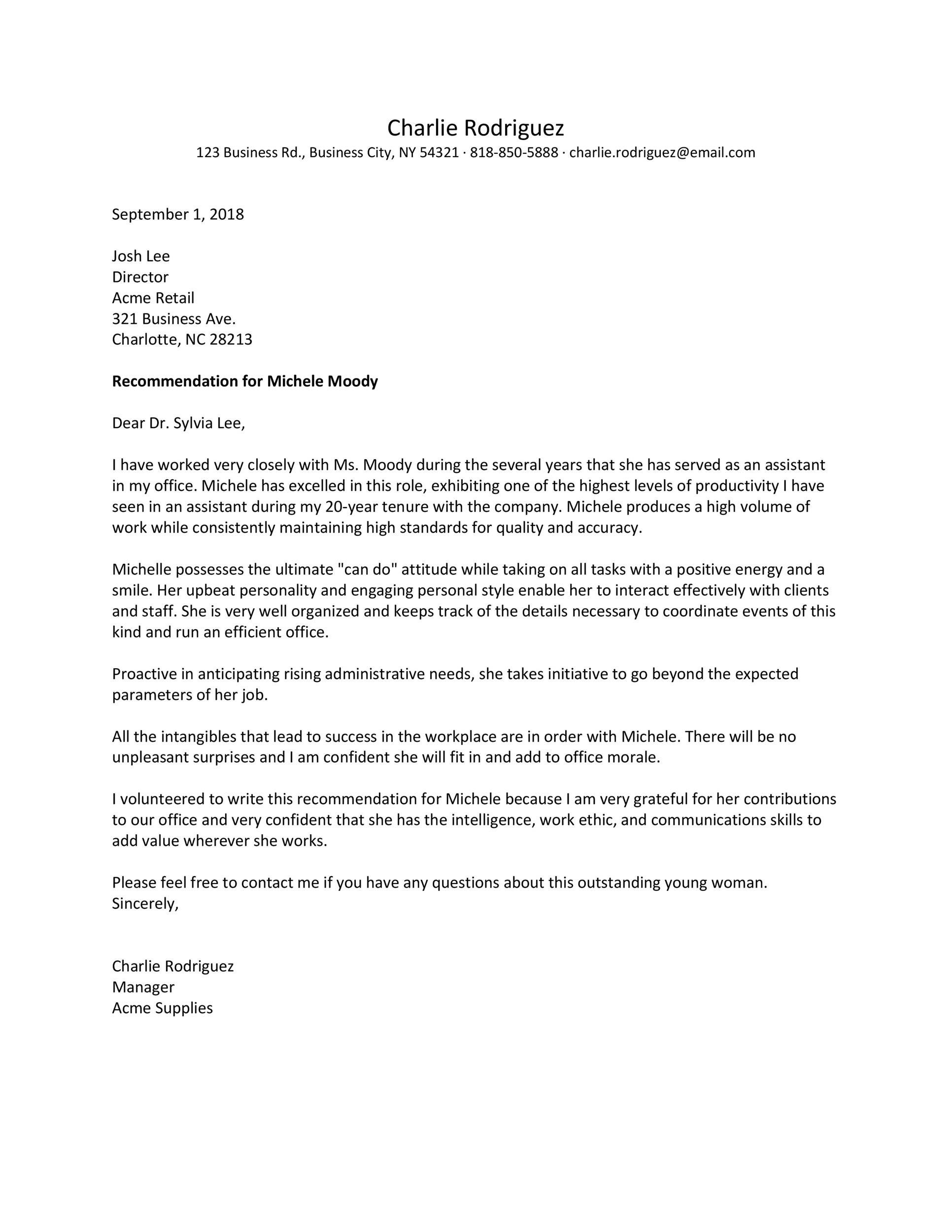
Remember, the goal is to make the recipient feel confident in the individual you are recommending. By providing a clear, concise, and enthusiastic endorsement, you significantly boost their chances of success. A well-structured approach, perhaps guided by a reference letter template for employee, ensures you hit all the right notes every time.
Key Sections to Include
- Your full name, title, organization, and contact information.
- The date the letter is written.
- The recipient’s name, title, and organization (if known; otherwise, use a general salutation).
- A clear and professional salutation (e.g., “Dear [Hiring Manager],” or “To Whom It May Concern”).
- An introductory paragraph stating your relationship to the individual, how long you’ve known them, and the purpose of the letter.
- Body paragraphs detailing specific examples of their skills, achievements, and contributions, linking them to the requirements of the role they are seeking.
- A strong concluding paragraph that reiterates your positive recommendation and invites the recipient to contact you for further information.
- Your professional closing (e.g., “Sincerely,” or “Regards,”).
- Your handwritten signature, followed by your typed name and title.
Crafting Your Personalized Reference Letter Template
Now that you understand the fundamental components, let’s talk about how to make a reference letter template for employee work for you. A template isn’t meant to be rigid; rather, it’s a flexible framework that provides structure while still allowing for deep personalization. The key is to have the core layout ready, then fill in the specific details that make each letter unique and powerful for the individual you’re supporting. This approach saves time and ensures consistency in quality.
Start by identifying the common elements that appear in every reference letter you write. This includes your contact information, standard greetings, and a general framework for how you introduce your relationship with the employee. Once these fixed parts are in place, you can focus your energy on the unique narratives and specific achievements that truly highlight the person’s strengths. Think about the common traits you might endorse, such as teamwork, leadership, problem-solving, or communication skills, and create placeholder sections for these.
To really make your letter shine, ask the employee for information about the role they are applying for. Knowing the specific requirements allows you to tailor your examples and language to match. If they are applying for a leadership role, emphasize instances where they took initiative, mentored others, or successfully guided a project. If it’s a technical position, focus on their analytical skills and relevant project contributions. This targeted approach demonstrates thoughtfulness and maximizes the letter’s impact.
Beyond just tailoring the content, consider the language you use. Employ strong action verbs that convey impact and professionalism. Instead of “was responsible for,” try “managed,” “developed,” or “implemented.” Quantify achievements whenever possible; for example, “improved efficiency by 20%” is far more compelling than “improved efficiency.” These small linguistic choices elevate your letter from good to outstanding, leaving a lasting impression on the reader.
Remember to always proofread meticulously. A well-written letter can lose credibility if it contains typos or grammatical errors. Before sending, take a moment to review it, perhaps even having a trusted colleague give it a quick read-through. Your endorsement reflects not just on the employee, but also on your own professionalism and attention to detail. A polished letter reinforces your authority and the strength of your recommendation.
- Start Strong: Clearly state your relationship and recommend the individual unequivocally.
- Show, Don’t Just Tell: Provide concrete examples of their skills and accomplishments.
- Be Specific: Quantify achievements whenever possible to demonstrate impact.
- Maintain a Positive Tone: Focus on strengths, potential, and future contributions.
- Proofread Diligently: Ensure there are no typos or grammatical errors that could undermine credibility.
Crafting a thoughtful and effective reference letter is a powerful way to support someone’s career aspirations. It’s an opportunity to articulate their value and provide external validation that can make a significant difference in their pursuit of new opportunities. By taking a structured approach, you can ensure your words are impactful and truly help them stand out from the crowd.
Embrace the process of writing these letters, knowing that your insights and encouragement are invaluable. With a clear understanding of what makes a strong recommendation and the flexibility of a well-designed framework, you can confidently endorse deserving individuals and contribute positively to their professional journey.
