
Stepping into retirement is a monumental life event, a transition filled with a mix of anticipation, reflection, and perhaps a touch of nostalgia. After years of dedication and hard work, the time comes to close one chapter and eagerly open another. As exciting as this new phase is, it’s important to wrap up your professional journey with grace and professionalism, ensuring a smooth departure from your current role.
Part of this graceful exit involves formally notifying your employer of your intent to retire. This isn’t just a formality; it’s a courtesy that allows your company to plan for your departure and manage the transition effectively. To help you craft this important document, we’ll guide you through the process and provide a comprehensive retirement letter template to employer that you can easily adapt.
Why a Formal Retirement Letter Matters (and What to Include)
Sending a formal retirement letter is more than just ticking a box; it’s a professional courtesy that benefits both you and your employer. It ensures that your departure is properly recorded by human resources, provides a clear timeline for your transition, and allows the company to begin the necessary steps for finding your replacement or reassigning responsibilities. This official documentation can also be important for your own records, especially concerning benefits or final compensation.
Think of your retirement letter as a professional farewell that sets a positive tone for your final weeks or months with the company. It should be concise, clear, and positive, regardless of your reasons for leaving. The core purpose is to formally state your intention to retire and your last day of employment, while also expressing gratitude and offering assistance for a smooth handover.
Essential Components of Your Retirement Announcement
- Your clear intention to retire from your position.
- Your official last day of employment (this is crucial for planning).
- A genuine expression of gratitude for the opportunities and experiences you’ve had.
- An offer to assist with the transition process to ensure minimal disruption.
- Your contact information for any follow-up after your departure (optional, but often helpful).
It’s vital to provide adequate notice, typically aligning with your company’s policy or at least two weeks as a professional standard. However, for a major life event like retirement, many professionals give a month or even several months’ notice. This extended period demonstrates respect for your colleagues and the organization, allowing ample time for knowledge transfer and project completion.
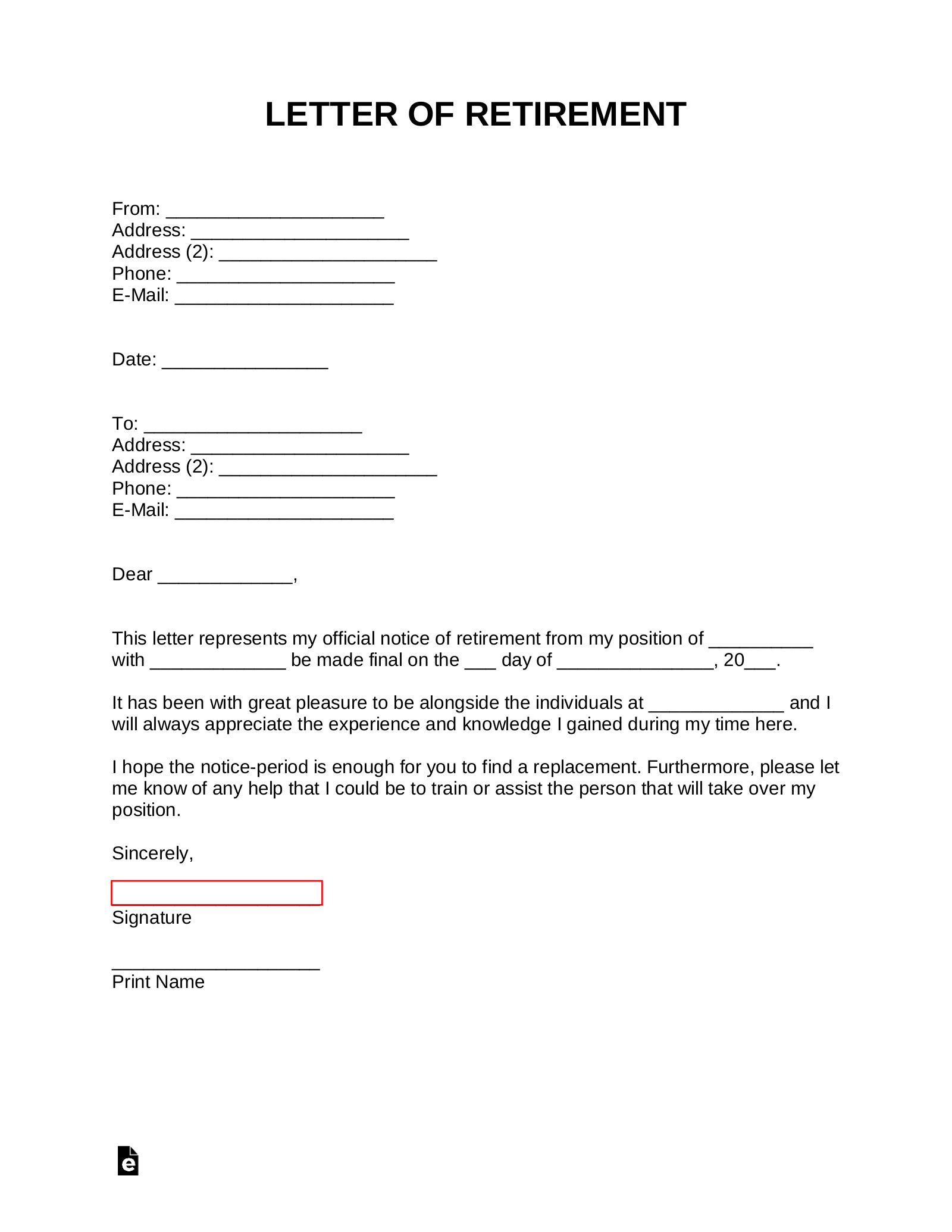
Expressing sincere gratitude, even if your tenure wasn’t always smooth sailing, leaves a lasting positive impression. Focus on positive aspects like opportunities for growth, valuable lessons learned, or supportive colleagues. This professionalism ensures you leave on good terms, preserving valuable professional relationships for the future. Remember, your offer to assist with the transition is key; it shows your commitment to the team even as you prepare for your new chapter.
Crafting Your Retirement Letter: A Step-by-Step Guide
When it comes to writing your retirement letter, clarity and professionalism are paramount. While a template provides a fantastic starting point, remember that personalizing it will make it more impactful and authentic. This isn’t just a generic notice; it’s *your* announcement of a significant life change, so make it reflect your journey and your relationship with the company.
Start with your contact information at the top, followed by the date, and then the employer’s contact information. The salutation should be formal, addressing your direct manager or the appropriate HR representative. The opening paragraph is where you formally state your intention to retire and specify your last day of employment. Be unambiguous to avoid any confusion.
The body of the letter is an excellent place to express your appreciation. You can mention specific aspects of your time at the company that you valued, such as challenging projects, opportunities for growth, or the camaraderie of your team. This section adds a personal touch and reinforces your positive professional relationship. Don’t forget to include your commitment to a smooth transition.
Here’s a general retirement letter template to employer you can adapt:
[Your Name]
[Your Address]
[Your Phone Number]
[Your Email]
[Date]
[Employer Name]
[Employer Title]
[Company Name]
[Company Address]
Dear [Mr./Ms./Mx. Last Name],
Please accept this letter as formal notification of my retirement from my position as [Your Position] at [Company Name], effective [Your Last Day of Employment].
I have truly valued my time here at [Company Name] since [Month, Year you started]. I am particularly grateful for [mention specific opportunities, experiences, or colleagues, e.g., “the growth opportunities I was given,” or “the collaborative spirit of my team”]. I have learned a great deal and appreciate the support I’ve received throughout my [Number] years/months with the company.
I am committed to ensuring a smooth transition during my remaining time. I am happy to assist in training my replacement and completing any outstanding projects to the best of my ability.
I wish you and [Company Name] all the very best for continued success in the future.
Sincerely,
[Your Signature (if printed)]
[Your Typed Name]
Once you’ve drafted your letter, review it carefully for any typos or grammatical errors. Ensure the tone is professional, positive, and respectful. While it’s common to deliver a hard copy, a professional email can also be acceptable, especially if you follow up with a physical copy for HR records. Always inform your direct manager first, ideally in person, before submitting the formal letter.
A well-composed retirement letter is a testament to your professionalism and a respectful way to mark the end of your tenure. It provides a clear, official record of your intentions, helping to ensure a seamless handover and a positive lasting impression. By taking the time to craft this document thoughtfully, you set the stage for a dignified departure and a well-deserved new beginning.
As you embark on this exciting new chapter, having taken care of the necessary professional steps, you can fully embrace the opportunities that retirement brings. This is your time to pursue passions, relax, and enjoy the fruits of your labor. Wishing you all the very best for a fulfilling and joyful retirement!
