
It’s an exciting time when you’re planning a move, whether it’s to a new city, a bigger space, or simply a change of scenery. Amidst the packing and planning, there’s one crucial step that often gets overlooked but is absolutely essential for a smooth transition: notifying your landlord. This isn’t just a polite gesture; it’s a legal requirement outlined in most lease agreements, and getting it right can save you a lot of headaches, and even money, down the line.
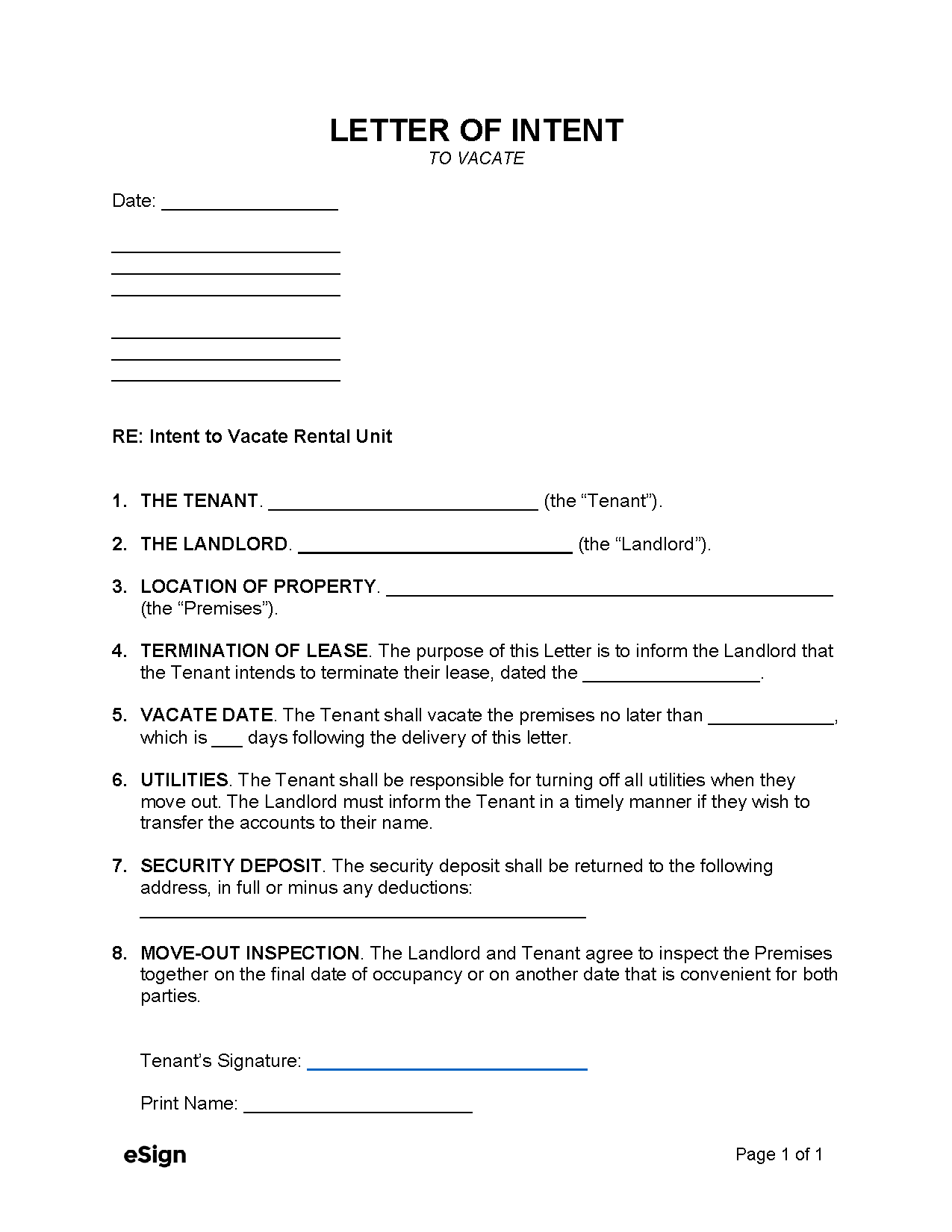
Understanding how to properly inform your landlord of your departure is key. That’s where an intent to vacate letter template comes in handy. It’s a formal, written notice that lets your landlord know you plan to move out by a specific date, ensuring both parties are on the same page. Using a clear and concise template takes the guesswork out of what to include, helping you avoid common pitfalls and ensure a hassle-free end to your tenancy.
Why Sending Proper Notice Matters More Than You Think
Moving out can be a whirlwind, but one document you absolutely shouldn’t skip is your intent to vacate letter. This isn’t just a formality; it’s a vital piece of communication that protects you, the tenant, and helps your landlord prepare for the transition. Without proper written notice, you could face unexpected charges, disputes over your security deposit, or even find yourself legally obligated to pay rent for an additional month you didn’t intend to stay. Imagine thinking you’re free and clear, only to receive a bill because your landlord wasn’t officially informed – it’s a situation no one wants to be in.
Your lease agreement almost certainly specifies the required notice period, usually 30 or 60 days, before you intend to move out. Adhering to this timeline is paramount. Sending your intent to vacate letter on time ensures you’re fulfilling your contractual obligations, which in turn helps secure the return of your full security deposit. Landlords often use this notice period to find new tenants, schedule showings, and perform necessary inspections. A timely notice demonstrates your professionalism and adherence to the agreement, fostering a positive relationship even as you depart.
Beyond legal compliance and protecting your deposit, a well-drafted notice streamlines the entire move-out process. It gives both you and your landlord a clear timeline to work with. You can then discuss move-out inspections, key return procedures, and any final utility considerations without ambiguity. It sets a professional tone for your departure, which can be invaluable if you ever need a reference from your landlord in the future.
Ultimately, providing proper notice with an intent to vacate letter is about peace of mind. It eliminates confusion, prevents potential financial penalties, and allows you to focus on the excitement of your new home rather than worrying about loose ends from your old one. It’s a small effort that yields significant benefits, ensuring your tenancy ends on a positive and organized note.
What to Include in Your Notice
To make sure your letter is complete and effective, it should contain several key pieces of information:
- Your full name and current address of the rental property.
- Your landlord’s full name and contact information.
- The date you are writing the letter.
- Your official move-out date, adhering to your lease’s notice requirements.
- A clear statement of your intent to vacate the premises.
- Your forwarding address for the return of your security deposit and any final correspondence.
- Your signature and the date of signature.
Crafting Your Own Intent To Vacate Letter Template for a Smooth Exit
Creating your own intent to vacate letter template doesn’t have to be complicated, especially when you have a clear understanding of what needs to be included. The goal is clarity and formality. Start by clearly stating the purpose of the letter right at the beginning – that you are providing notice of your intention to vacate the property. This immediately sets the tone and ensures your landlord understands the message without having to search for it. Remember, this is a legal document, so precision and professional language are your allies here.
Once the purpose is established, dive into the specifics. Include the full address of the property you are vacating. This might seem obvious, but it helps avoid any potential confusion, especially for landlords who manage multiple properties. Follow this with your current tenant information, including your full name and any other tenants listed on the lease. Then, perhaps the most critical piece of information: your official move-out date. Double-check your lease agreement for the exact notice period required and count back from your desired move-out date to ensure you meet the deadline. A simple miscalculation could lead to an unintended extension of your tenancy.
After outlining the core details, consider adding a polite request for information regarding the move-out process. This could include details about the final walk-through inspection, how and when keys should be returned, and the procedure for the return of your security deposit. This proactive approach shows you’re organized and ready to cooperate, which can foster a more positive interaction with your landlord. Don’t forget to include a forwarding address where your security deposit and any final correspondence can be sent. This is crucial for ensuring you receive your money and important documents promptly.
Before you send your intent to vacate letter, take a moment to review it thoroughly. Check for any typos, incorrect dates, or missing information. It’s also wise to make a copy for your own records. When it comes to delivery, consider sending it via certified mail with a return receipt requested. This provides irrefutable proof that the letter was sent and received, along with the date of delivery, offering you an extra layer of protection should any disputes arise later. Alternatively, if delivering by hand, ask the landlord or property manager to sign and date a copy acknowledging receipt.
- Review your lease agreement for specific notice requirements (e.g., 30, 60, or 90 days).
- Confirm the exact move-out date you are proposing aligns with your lease and notice period.
- Ensure all contact information for both yourself and your landlord is accurate and up-to-date.
- Keep a copy of the signed letter for your personal records.
- Choose a delivery method that provides proof of delivery.
Successfully navigating the end of a tenancy is a testament to being an organized and responsible tenant. By using a clear and comprehensive intent to vacate letter template, you’re not just fulfilling a legal obligation; you’re actively ensuring a smooth transition for yourself and your landlord. This simple yet powerful document serves as your official communication, laying the groundwork for a professional and hassle-free departure.
Taking the time to prepare and send this notice correctly means you can look forward to your new chapter with confidence, knowing all your responsibilities regarding your old home have been handled properly. It’s an essential step in leaving your previous residence on the best possible terms, allowing you to focus entirely on the excitement of settling into your next home.
