
Navigating the world of debt recovery can be a complex and often delicate task. As a debt collection agency, clear, concise, and legally compliant communication is paramount to your success. The letters you send are often the first, and sometimes only, direct interaction you have with a debtor, making their content and tone incredibly important for achieving desired outcomes and maintaining professional standards.
That’s where a well-structured debt collection agency letter template comes in handy. It provides a solid foundation, ensuring all necessary legal requirements are met while conveying your message effectively. Having a reliable template not only saves time but also reduces the risk of errors, ensuring consistency across all your communications and helping you build a reputable and efficient collection process.
Understanding the Essentials of a Collection Letter
Before you even begin to draft a letter, it’s crucial to understand the fundamental components that make a collection letter both effective and legally sound. These letters aren’t just demands for payment; they are formal notices that initiate a dialogue, provide necessary disclosures, and outline the debtor’s rights. Failing to include specific information or adhering to legal guidelines can lead to disputes, delays, or even legal repercussions for your agency.
A good collection letter aims to be unambiguous, leaving no room for misinterpretation regarding the debt owed or the required actions. It serves as a comprehensive record of communication, which can be invaluable should further legal steps become necessary. Think of it as a formal document that, while firm, also offers a pathway for resolution, making it easier for the debtor to understand their situation and respond appropriately.
Key Information to Include
- Debtor’s Full Name and Current Address: Essential for proper identification.
- Creditor’s Name: The original entity to whom the debt is owed.
- Account Number or Reference Number: A unique identifier for the specific debt.
- Original Debt Amount: The initial sum borrowed or charged.
- Current Balance Due: This includes the original amount plus any accrued interest, late fees, or collection costs.
- Clear Payment Instructions: How and where the debtor can make a payment.
- Payment Due Date: A specific date by which the payment or response is expected.
- Right to Dispute the Debt: A clear statement informing the debtor of their right to dispute the debt’s validity within 30 days.
- Contact Information for Your Agency: How the debtor can reach you for questions or to discuss the debt.
Ensuring all these details are accurately presented is not just good practice; it’s often a legal requirement under consumer protection laws like the Fair Debt Collection Practices Act (FDCPA) in the United States. These regulations are designed to protect consumers from abusive and misleading practices, and compliance is non-negotiable for any legitimate collection agency. Overlooking even a single detail can invalidate your claim or open your agency up to lawsuits, undermining your collection efforts.
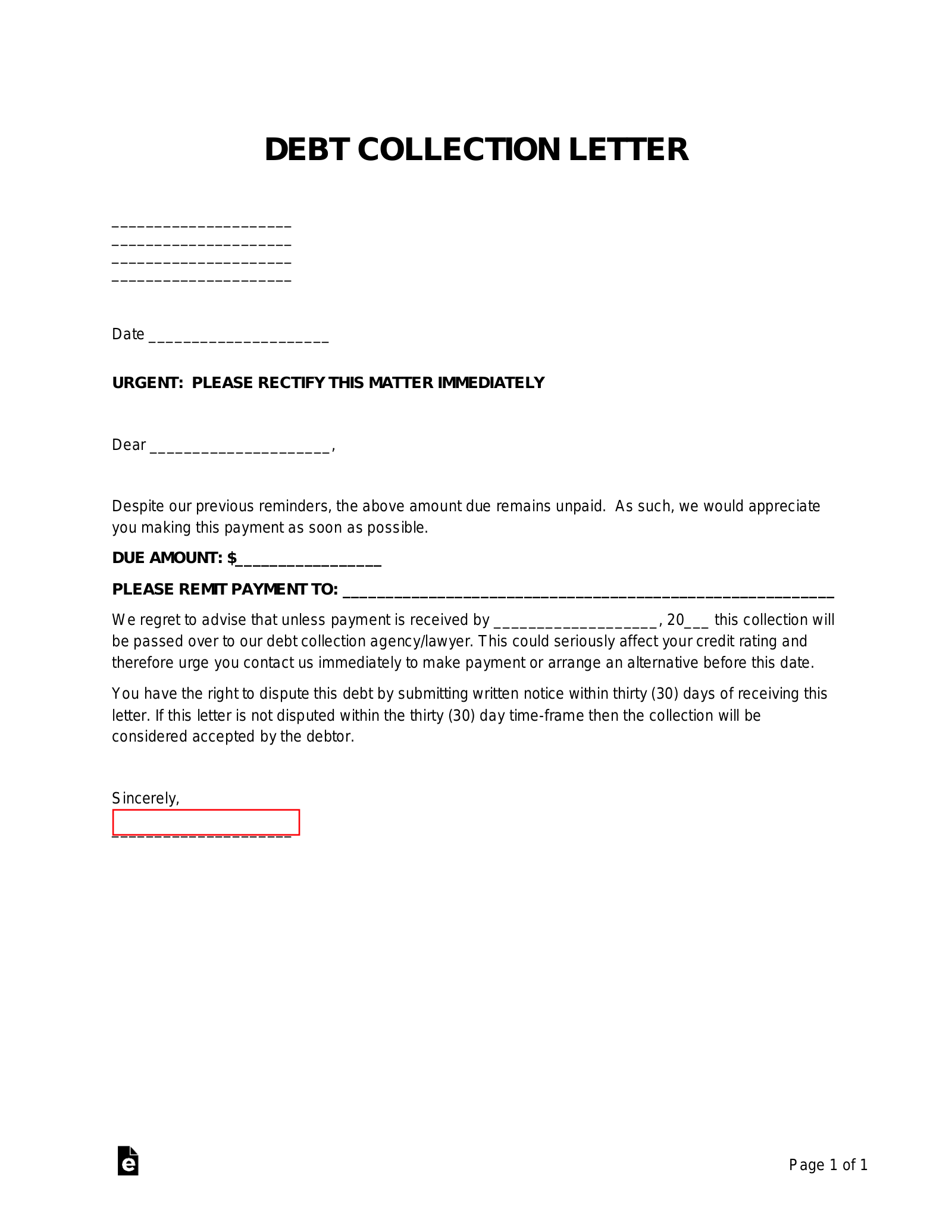
Moreover, the tone of your letter should remain professional and firm, yet never threatening or harassing. The goal is to encourage payment, not to intimidate. A professional tone helps preserve the agency’s reputation and can even make debtors more cooperative. Remember, you’re seeking to recover funds, and a respectful approach, even in difficult situations, often yields better results than an aggressive one.
Crafting Your Effective Debt Collection Agency Letter Template
Once you understand the core elements, the next step is to actually put them into a functional template. This isn’t just about plugging in blanks; it’s about structuring the information logically and persuasively. Your template should be versatile enough to adapt to different debt types and stages of the collection process, while consistently upholding legal standards.
Developing a robust template involves careful consideration of the sequence in which information is presented and the clarity of your calls to action. A well-designed template guides the reader through the necessary details, making it easy for them to understand their obligations and the options available to them. This clarity can significantly improve response rates and expedite the debt recovery process.
Here’s a general structure you might consider for a basic debt collection agency letter template:
- Your Agency’s Letterhead and Contact Information
- Date of Letter
- Debtor’s Name and Full Mailing Address
- Subject Line: Clearly stating the purpose (e.g., “Notice of Delinquent Account – Account # [Account Number]”)
- Salutation (e.g., “Dear [Debtor’s Name],”)
- Opening Paragraph: State the purpose of the letter and identify the debt (original creditor, amount).
- Detailed Debt Information: Break down the current balance, including original amount, interest, and fees.
- Demand for Payment: Clearly state the full amount due and the payment deadline.
- Payment Options: Provide clear instructions on how to pay (e.g., online portal, phone, mail).
- Dispute Rights Notification: Inform the debtor of their 30-day right to dispute the debt or request validation.
- Consequences of Non-Payment: Briefly outline potential next steps if the debt remains unpaid.
- Call to Action: Encourage the debtor to contact your agency to discuss the matter.
- Closing (e.g., “Sincerely,” or “Respectfully,”)
- Your Name, Title, and Agency Name
It’s absolutely critical that your template includes the mandatory disclosures required by consumer protection laws, especially the FDCPA. For instance, the “mini-Miranda” warning (“This is an attempt to collect a debt and any information obtained will be used for that purpose”) must be present in initial communications, and the 30-day dispute notice is fundamental. Regularly review your templates against the latest legal updates to ensure ongoing compliance and avoid potential litigation.
Using a pre-approved debt collection agency letter template ensures that every communication sent out by your team is consistent, professional, and compliant. While the core template remains, you’ll still need to personalize certain fields for each individual debtor and debt. This blend of standardization and customization allows for efficient operations while maintaining a human touch in a sensitive area of communication.
Developing and utilizing well-crafted collection letters forms a cornerstone of effective debt recovery. These documents are not merely formalities; they are powerful tools that, when used correctly, can significantly improve your agency’s success rates, streamline operations, and ensure adherence to legal and ethical standards. Investing time in perfecting your communication strategy through robust templates is an investment in your agency’s future.
Ultimately, clear and compliant communication is the bedrock of successful debt collection. By consistently sending out professional and legally sound letters, your agency not only maximizes its chances of recovery but also builds a reputation for integrity and efficiency. This approach benefits everyone involved, leading to better outcomes for debtors and creditors alike.
