
Thinking about asking for a raise can feel a little daunting, can’t it? Many of us find ourselves in a position where we believe our contributions warrant higher compensation, but articulating that effectively isn’t always easy. It’s a crucial career step, and how you approach it can significantly impact the outcome.
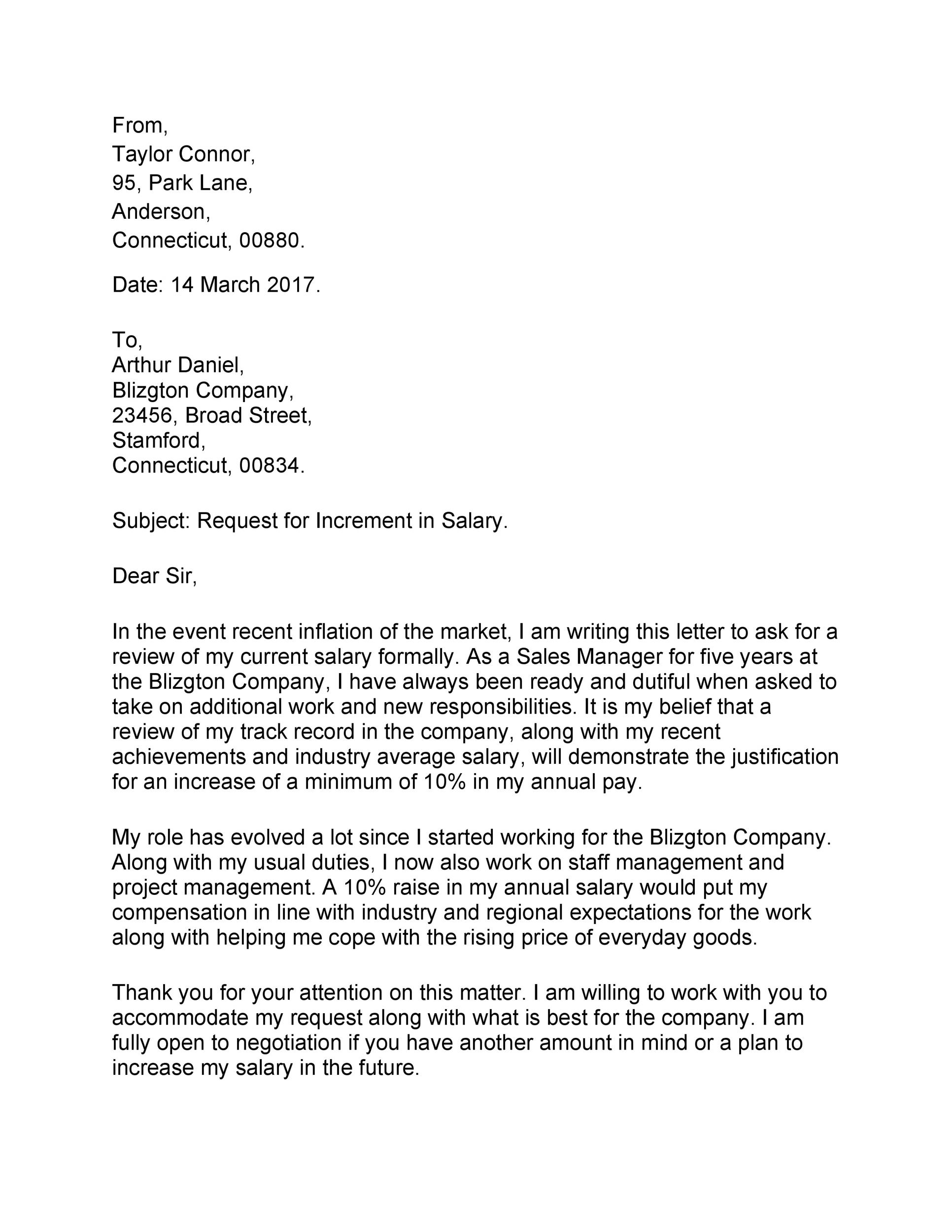
Thankfully, you don’t have to start from scratch. Having a solid framework to guide your request can make all the difference, transforming a potentially awkward conversation into a confident, professional negotiation. That’s exactly where understanding how to use an asking for a raise letter template comes in handy.
Preparing for Your Raise Request
Before you even begin to draft your letter, significant groundwork is required. A successful raise request isn’t just about asking; it’s about presenting a compelling case for why you deserve one. This preparation phase is arguably as important as the letter itself, as it provides the ammunition you’ll need to justify your request and handle any follow-up discussions.
Start by taking a deep dive into your own performance and contributions. Think about specific projects you’ve led or been instrumental in, quantifiable results you’ve achieved, and any new responsibilities you’ve taken on since your last salary review. Don’t just list tasks; highlight accomplishments that directly benefited the company, such as increased revenue, cost savings, improved efficiency, or enhanced customer satisfaction. The more concrete and measurable your examples, the stronger your case will be.
Beyond your personal achievements, it’s wise to look outward. Researching current market rates for your role, industry, and location is absolutely vital. Websites like Glassdoor, Salary.com, and LinkedIn Salary can provide valuable insights into what peers with similar experience and responsibilities are earning. This information empowers you to make a request that is both fair to you and realistic for your employer, moving the discussion away from subjective feelings towards objective data.
Finally, consider the timing and the overall company context. Is the company currently performing well? Have there been recent positive financial reports? Conversely, are there hiring freezes or economic downturns that might make a raise less likely right now? Choosing an opportune moment can significantly increase your chances of success. It also helps to understand your company’s policy on salary reviews; some companies have set annual review periods, while others are more flexible.
Key Things to Consider Before Writing
- Research market value for your position and experience level.
- Document all your accomplishments, responsibilities, and contributions since your last review.
- Quantify your achievements with numbers whenever possible.
- Understand the company’s financial health and any existing salary review cycles.
- Prepare to articulate your value and how you align with the company’s goals.
Crafting Your Asking For A Raise Letter Template
Once you’ve done your homework, it’s time to put pen to paper, or fingers to keyboard. A well-structured letter is clear, concise, and professional, guiding your manager through your rationale without being overly demanding. Think of it as a formal proposal that outlines your value and your expectations, setting the stage for a productive conversation. This is where an asking for a raise letter template proves invaluable, providing a logical flow for your arguments.
Your letter should begin with a clear and professional tone, immediately stating the purpose of your communication. The opening paragraph sets the expectation that you are requesting a review of your compensation. Following this, the body paragraphs are your opportunity to elaborate on the preparation you’ve done. This is where you detail your accomplishments, new responsibilities, and the positive impact you’ve had on the team or company. Remember to connect your contributions directly to the company’s success, demonstrating your understanding of its objectives.
Crucially, you should also mention your understanding of current market rates. This shows you’ve done your research and are making an informed request, not just a random one. It reinforces your position with objective data. When it comes to the actual request, be specific about the salary range or figure you are seeking. While it’s good to have a target, consider providing a reasonable range to allow for negotiation. This shows flexibility while still firmly stating your desired outcome.
The closing paragraph should express gratitude for the consideration and clearly state your desire to discuss this matter further. It should convey your continued commitment to your role and the company, reinforcing that this request comes from a place of professional growth and dedication. End with a professional closing and your signature, maintaining a respectful and confident demeanor throughout the entire document.
- Your Contact Information and Date
- Employer Contact Information
- Salutation (e.g., Dear [Manager’s Name],)
- **Opening Paragraph:** Clearly state the purpose of the letter – a request for a salary review.
- **Body Paragraphs:**
- Highlight your key accomplishments and contributions.
- Detail any new responsibilities taken on since your last review.
- Provide quantifiable results where possible.
- Mention market research and your value in the current industry landscape.
- **The Ask:** State your desired salary or salary range clearly and confidently.
- **Closing Paragraph:** Express thanks for their consideration and request an opportunity to discuss further. Reiterate your commitment to your role.
- Professional Closing (e.g., Sincerely,)
- Your Typed Name
Submitting your request is just the first step; be prepared for a conversation, which might include further questions or negotiations. Approach this discussion with the same thoughtful preparation and professional demeanor as you did with your letter. Your willingness to engage in a constructive dialogue will be highly valued.
Ultimately, a well-prepared and clearly articulated raise request demonstrates your professionalism and your value to the organization. By following these guidelines, you equip yourself with the tools needed to confidently advocate for your worth, ensuring your contributions are recognized and appropriately compensated.
